
What it is
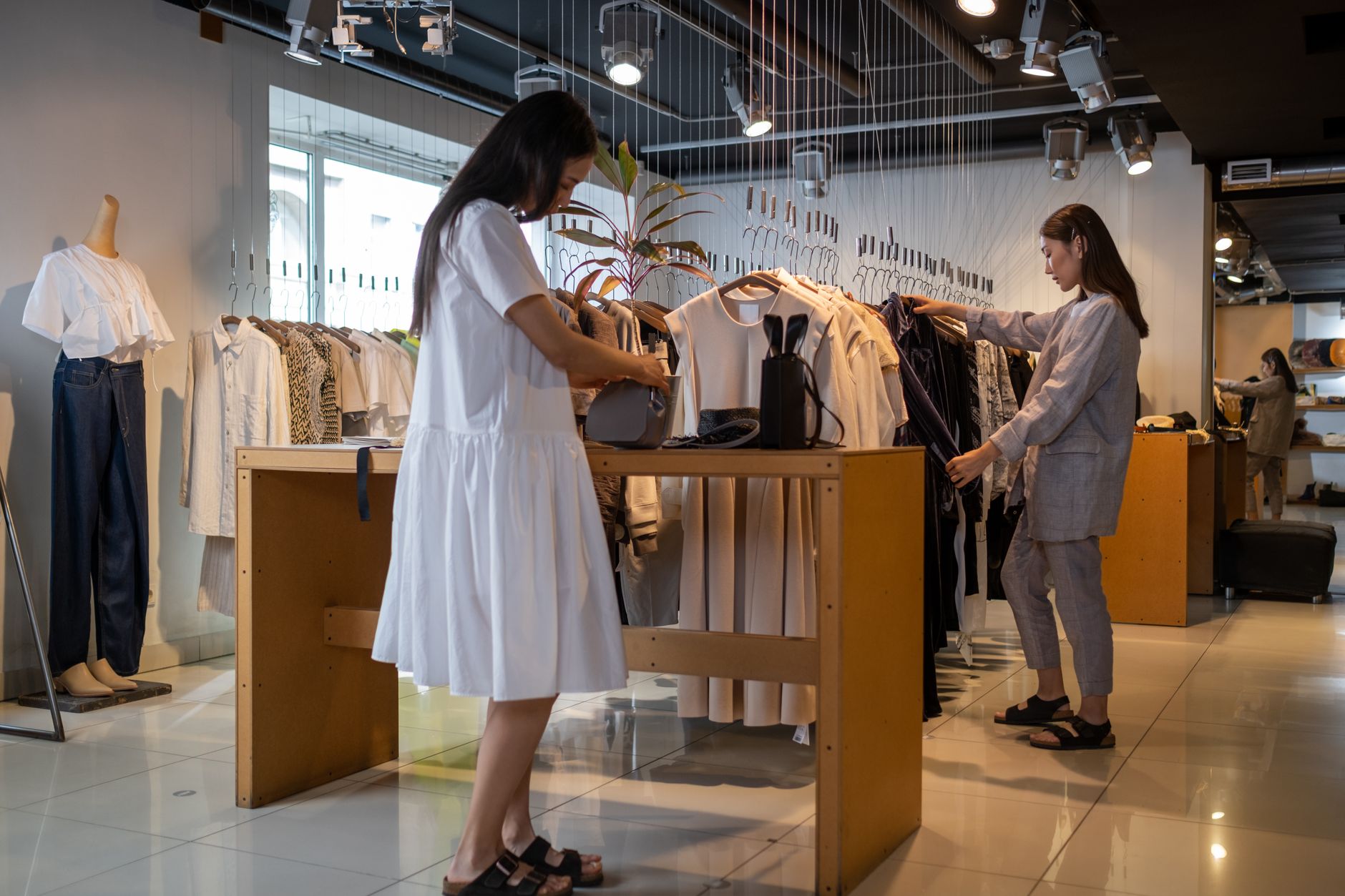
A seasonal collection is a planned assortment: a defined number of pieces, in a coherent palette, bought in quantities that match expected demand. Buying without a plan is how a shop ends up full of stock nobody asked for.
What is included
- Previous-season sales analysis
- Written assortment and size curve plan
- Buying against an agreed budget
- Reserve budget for in-season repeats
- Weekly sell-through tracking
How it works
Sales review
We look at what actually sold last season by piece and by size, rather than at what we remember selling.
Assortment plan
We set the mix of core and fashion pieces, the palette and the size curve before any order is placed.
Buying
We buy against the plan, holding budget back for in-season repeats on whatever moves fastest.
In-season management
We track weekly, repeat the winners early and mark down the slow movers before they become dead stock.
Frequent questions
How far ahead is a collection bought?
Usually one to two seasons ahead for imported and made-to-order lines, with shorter lead times kept available for repeats.
What is a size curve?
The proportion of each size bought. Getting it wrong is why shops run out of the middle sizes in week two and still have the extremes in month three.
When should slow stock be marked down?
Earlier than feels comfortable. Stock that has not moved by mid-season rarely recovers, and the cash is worth more than the margin.
Related
The main rail

Apparel lines
Mens and womens clothing across the season, bought to a written assortment plan and size curve.
See the line →Fit before fabric

Jeans and denim
Denim worked through rise, leg shape and length, with fabric weight and stretch explained plainly.
See the line →Judged on the knit
Knitwear and t-shirts
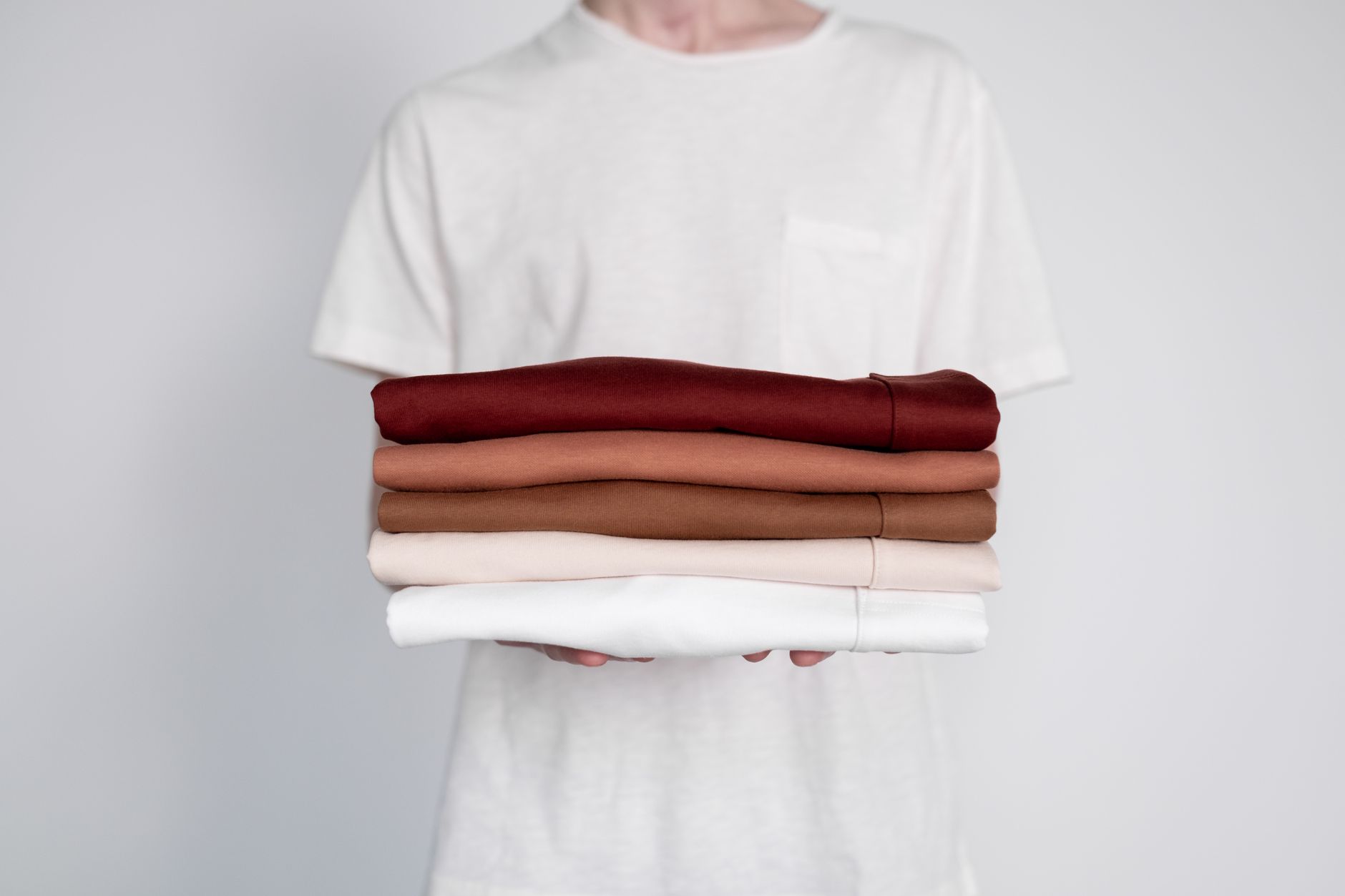
T-shirts and knitwear chosen by grammage, fibre and collar construction, not by the size letter.
See the line →