
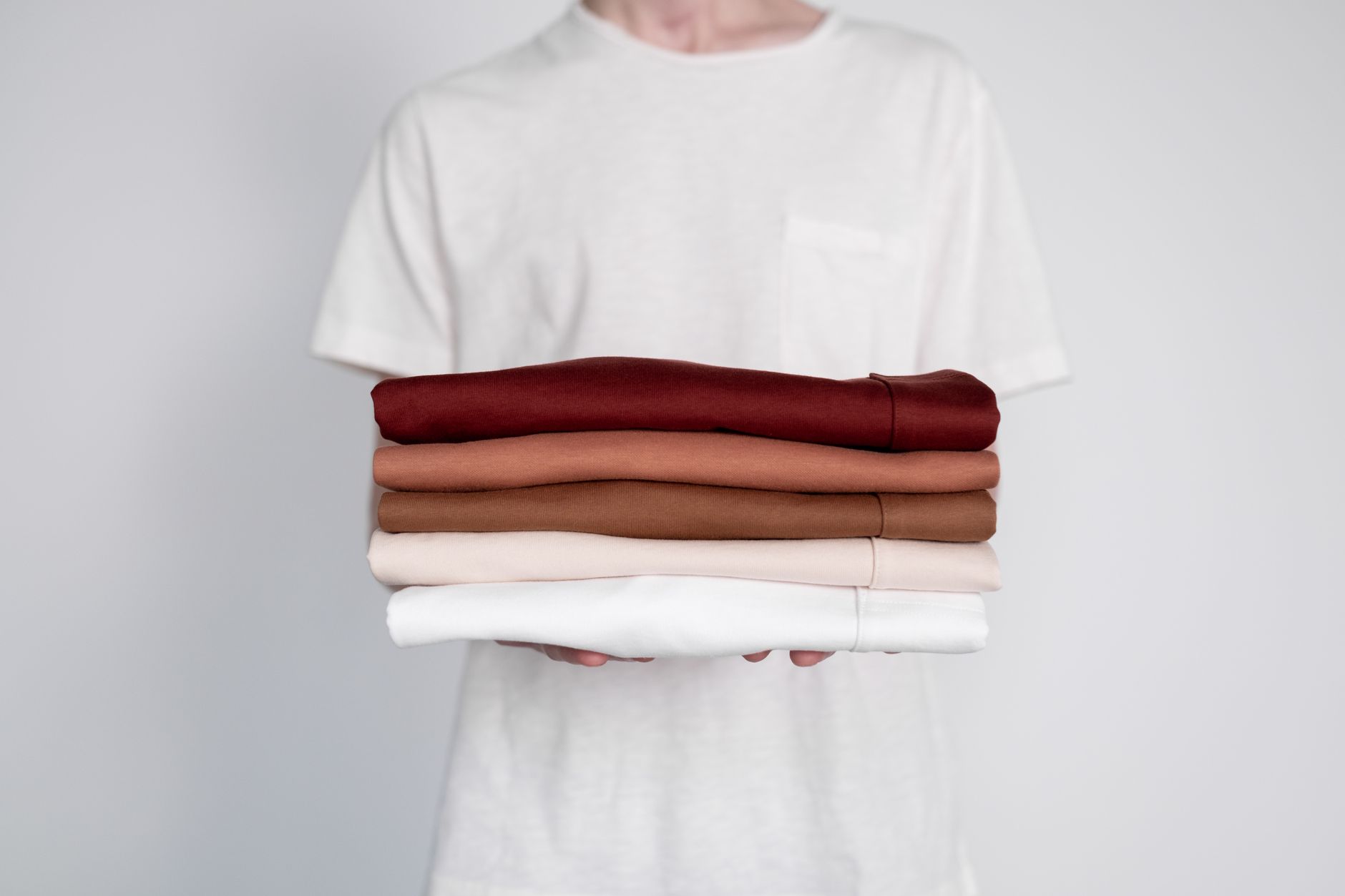
What it is
Knitwear and t-shirts live or die on the knit. Grammage, fibre and whether the fabric is combed or carded decide how the garment holds shape, how it feels after ten washes and whether the neckline is still flat in a month.
What is included
- Fibre composition and grammage stated
- Collar and seam construction checked
- Fit by shoulder and body length
- Washing and drying instructions
- Exchange within the stated period, unworn
How it works
Fibre and grammage
We match fibre and grams per square metre to the use: light for layering, heavier for a garment that holds its shape.
Knit quality
We check combed versus carded cotton and the collar construction, which is where cheap knitwear fails first.
Fit
We fit by shoulder seam and body length rather than by the size letter, which varies wildly between makers.
Care
We explain washing temperature and drying, which is what prevents shrinkage complaints.
Frequent questions
What grammage should I look for?
Around 140 to 160 g/m2 for a light everyday tee, 180 and above for a heavier garment that keeps its shape and drapes better.
Why does the neckline lose shape?
Collar ribbing that is too light for the body fabric, or hanging a wet heavy garment. Both are avoidable.
Will it shrink?
Pre-shrunk cotton moves very little at cold or warm wash. Hot water and a tumble dryer will shrink almost any natural knit.
Related
The main rail

Apparel lines
Mens and womens clothing across the season, bought to a written assortment plan and size curve.
See the line →Fit before fabric
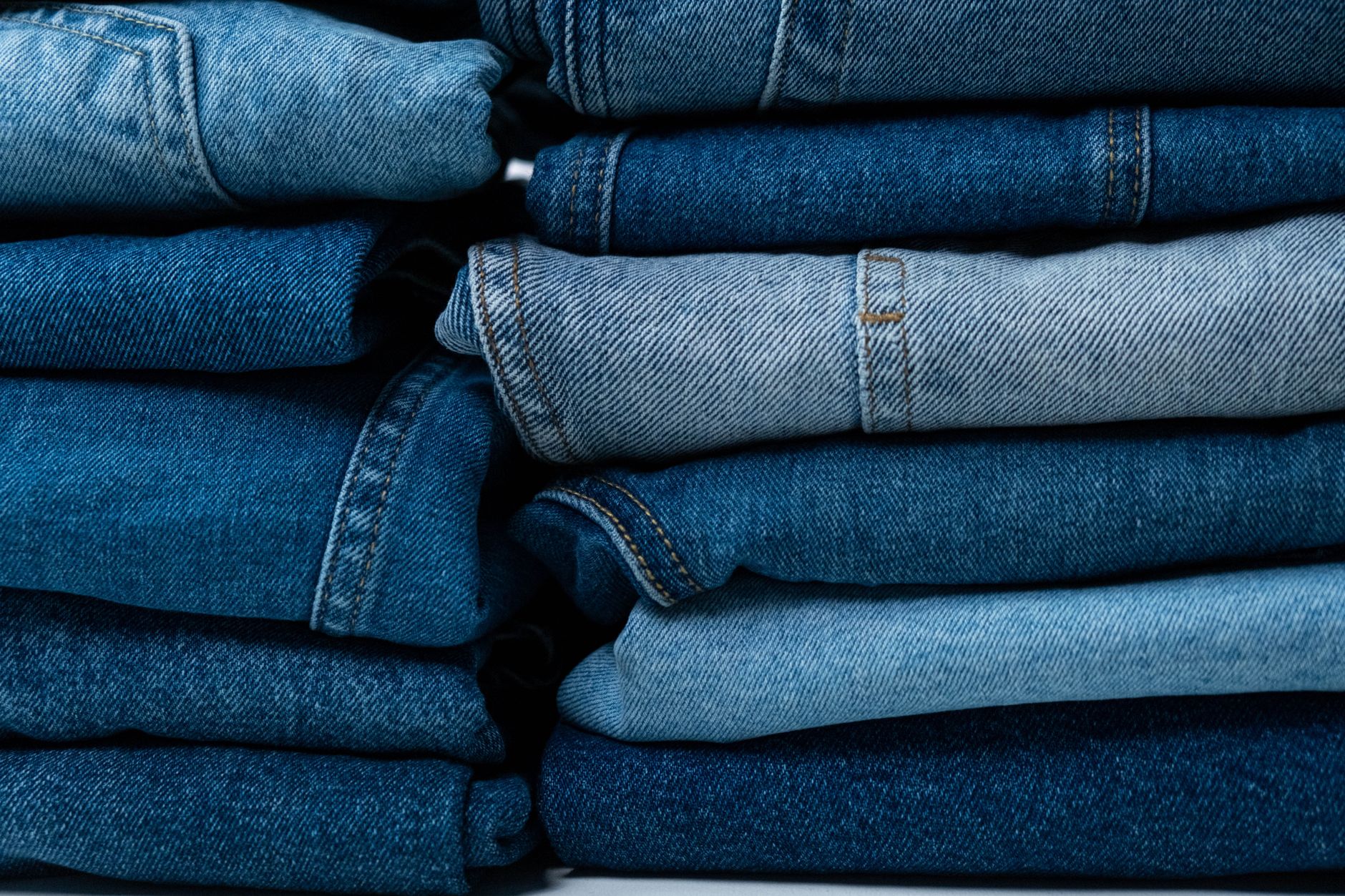
Jeans and denim
Denim worked through rise, leg shape and length, with fabric weight and stretch explained plainly.
See the line →Material, named honestly
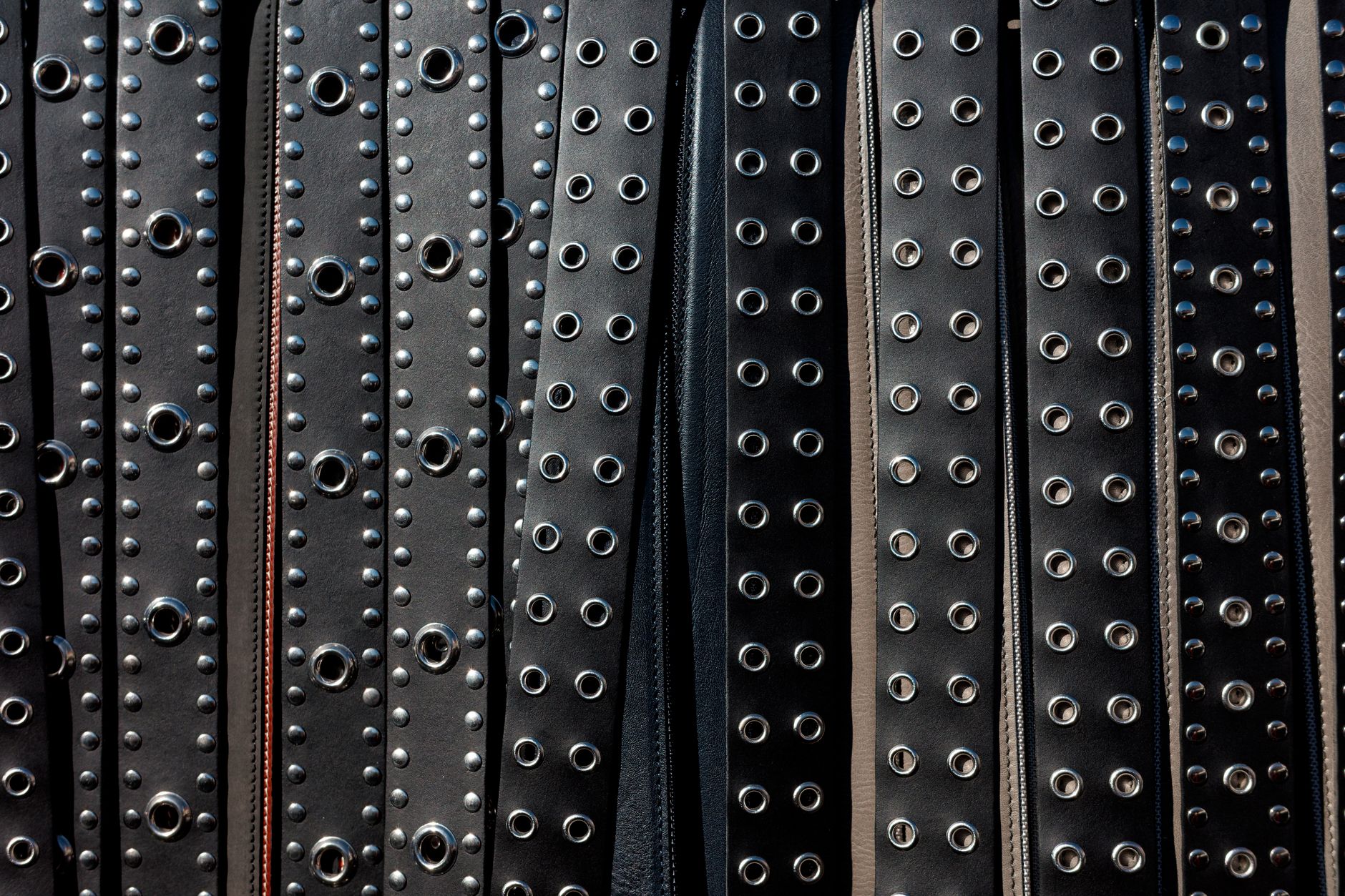
Belts and accessories
Belts, caps and small leather goods with the leather grade stated plainly, sized to the measured waist.
See the line →