
What it is
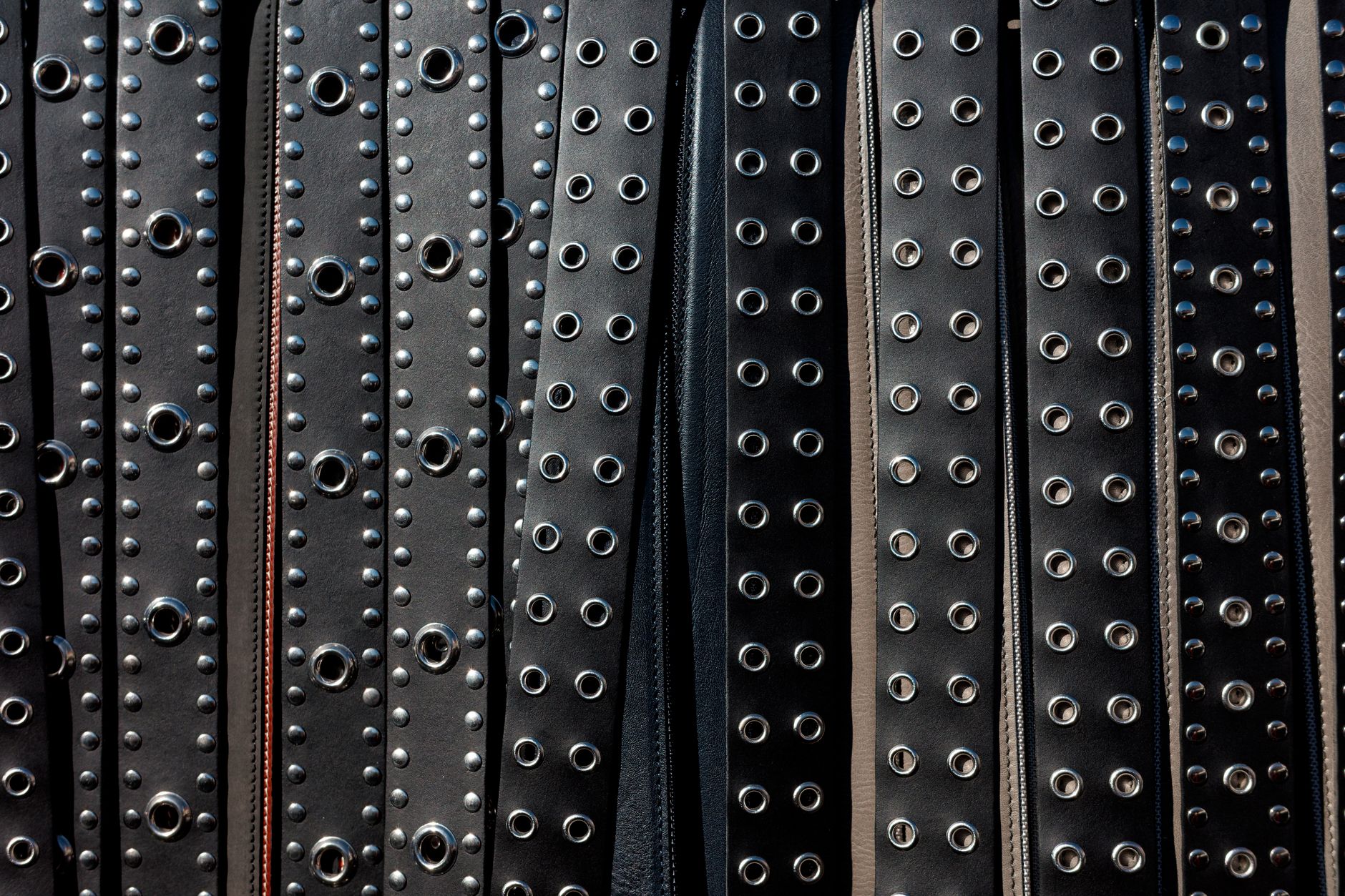
Accessories finish an outfit and are where material quality shows most plainly. A full-grain leather belt, a properly lined cap, a solid buckle: these are visible details that outlast the garments they are worn with.
What is included
- Material identified honestly by grade
- Belt sized to the measured waist
- Hardware quality stated
- Coordination advice across pieces
- Care guidance for leather and finishes
How it works
Material check
We distinguish full-grain and genuine leather from bonded and coated materials, and we say plainly which is which.
Sizing
We size belts to the waist measurement actually worn, not the trouser size, which is the usual mistake.
Hardware
We check buckle, stud and clasp quality, because plated zinc and solid brass age very differently.
Coordination
We match leather tone and hardware finish across belt, bag and shoes where the customer wants it to read as intentional.
Frequent questions
What belt size do I buy?
Measure through the loops of trousers you actually wear and buy the belt to that measurement, which is usually a couple of sizes above your trouser size.
Is "genuine leather" a quality mark?
No, and it is worth knowing. It is the lowest grade that may legally be called leather. Full-grain and top-grain are the grades that last.
How do I care for leather accessories?
Keep them dry, let them dry naturally if soaked, and condition occasionally. Heat and direct sun are what crack leather.
Related
The main rail
Apparel lines
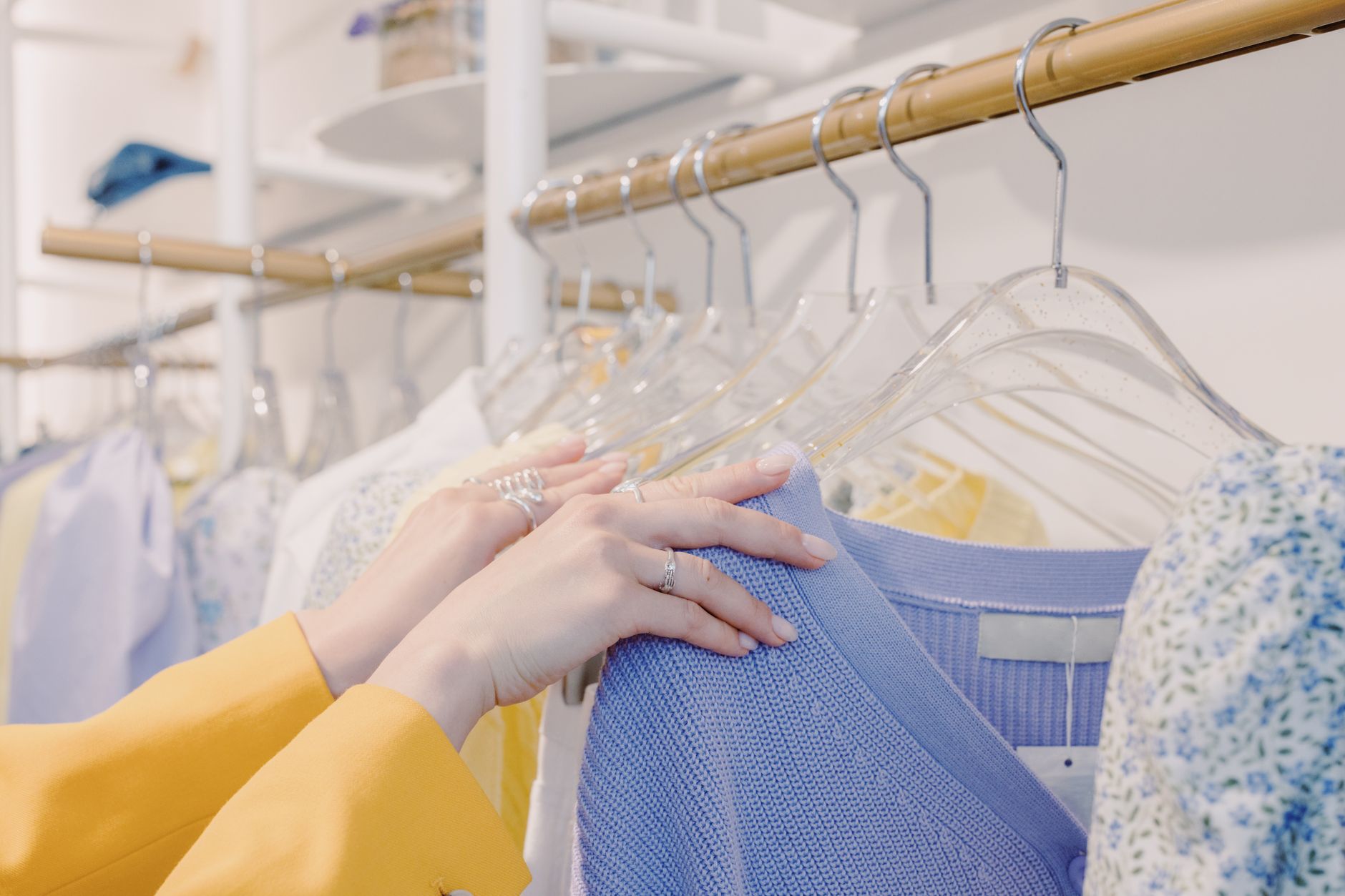
Mens and womens clothing across the season, bought to a written assortment plan and size curve.
See the line →Fit before fabric
Jeans and denim
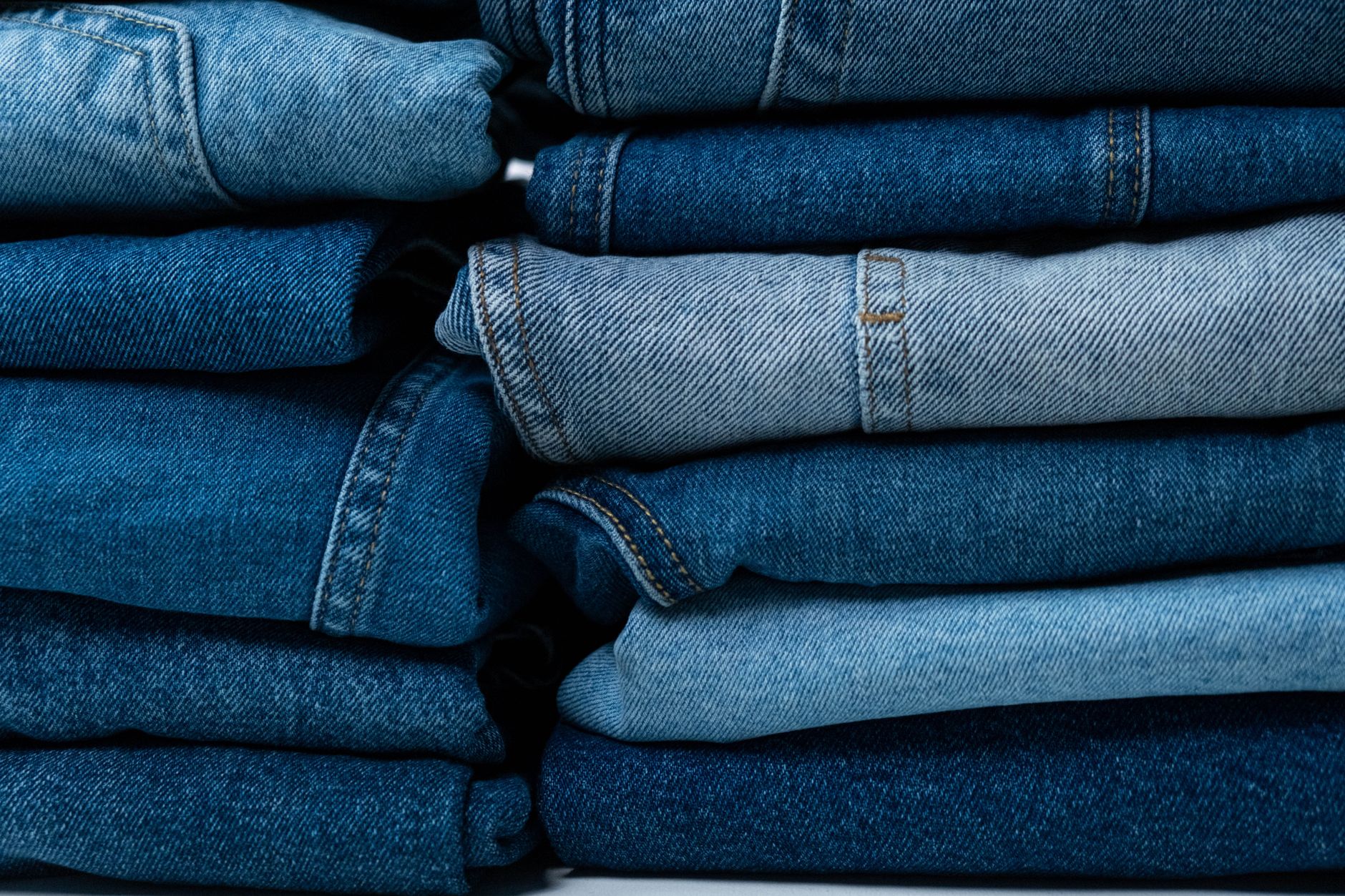
Denim worked through rise, leg shape and length, with fabric weight and stretch explained plainly.
See the line →Judged on the knit
Knitwear and t-shirts
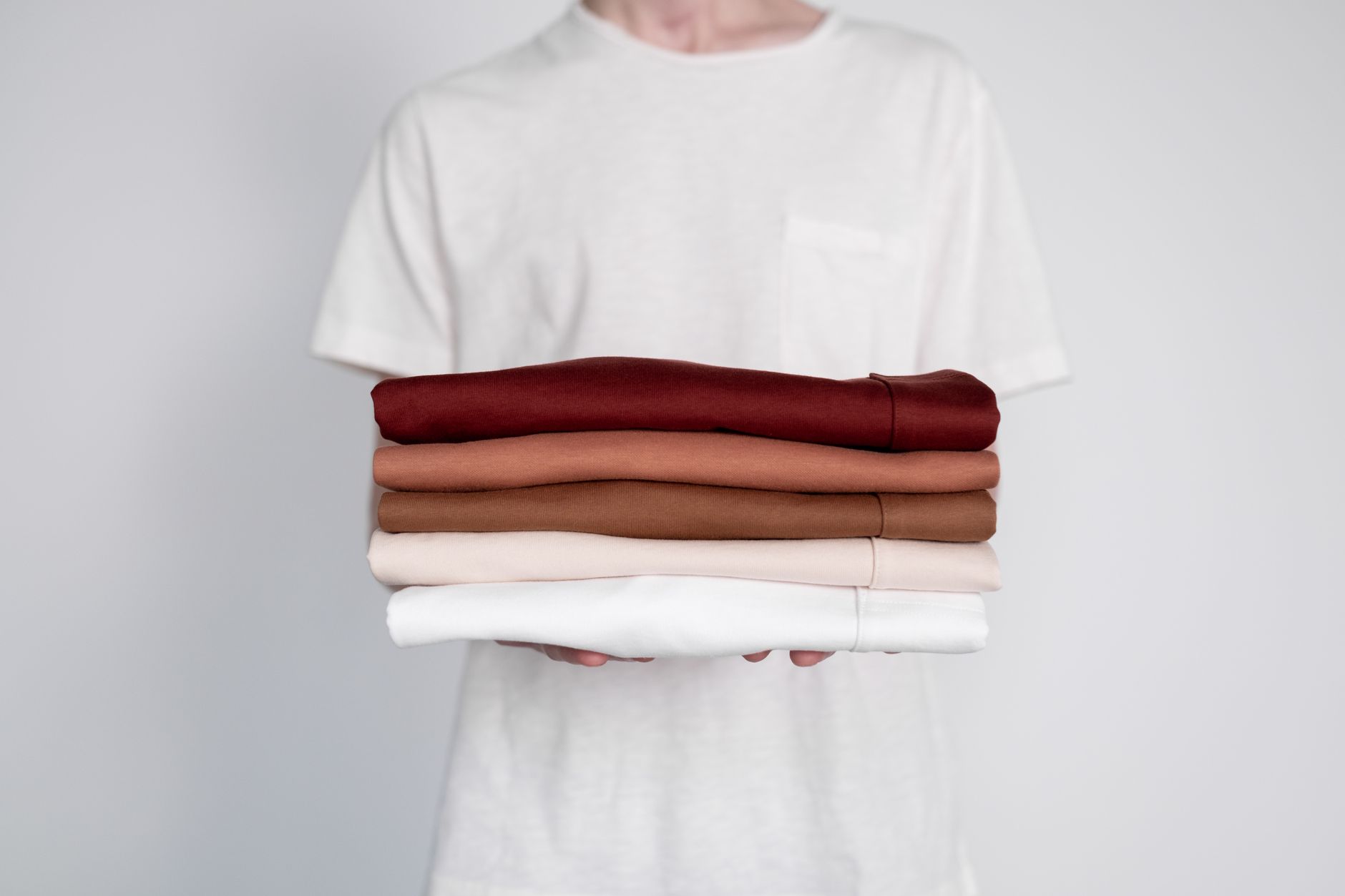
T-shirts and knitwear chosen by grammage, fibre and collar construction, not by the size letter.
See the line →